 Become a Patron!
In today’s fast-paced world, we often find ourselves in a constant state of urgency, chasing after results and pushing our limits. However, this approach can be detrimental to our physical, emotional, and sexual health. This article makes a compelling case for gentleness as a powerful tool for healing and growth, especially in the context of energy levels, libido, fertility, menopause, and chronic illness. Embracing gentleness can lead to profound changes in how we experience our bodies and our relationships.
The Energy of Gentleness: Impact on Our Lives
Gentleness is more than a soft touch; it’s a way of being that honors our physical and emotional needs. When we adopt a gentle approach to ourselves, we allow our bodies and minds to reset, heal, and flourish. Here are key areas where gentleness can have a transformative impact:
1. Energy Levels and Overall Well-Being
Our daily energy levels can significantly affect our quality of life. When we constantly push ourselves to perform at peak levels, we risk burnout and exhaustion. Adopting a gentle pace allows for:
- Restoration of Energy: Gentle activities like walking, stretching, or yoga can replenish our energy reserves. Research has shown that low-intensity exercise can enhance overall vitality and reduce fatigue (Horne & Reid, 1985).
- Mindfulness and Awareness: Slow, gentle movements encourage mindfulness, allowing us to tune into our bodies and recognize when we need rest. This awareness is crucial for maintaining long-term energy levels.
- Reduction of Stress: Gentle practices can decrease stress hormones in the body, leading to improved energy levels. Studies indicate that a calm demeanor can enhance physical performance and mental clarity (Kabat-Zinn, 1990).
2. Libido and Sexual Health
Gentleness plays a vital role in our sexual health and libido. Here’s how:
- Reduced Performance Pressure: Many individuals experience anxiety around sexual performance, which can diminish libido. Embracing gentleness creates a safe space for exploration, reducing pressure and enhancing pleasure (Schoenfeld, 2011).
- Intimacy and Connection: Gentle approaches to intimacy foster deeper connections between partners. This intimacy can increase sexual desire and overall satisfaction within relationships (Murray, Milhausen, & Sakaluk, 2013).
- Enhanced Emotional Safety: A gentle approach to sexuality allows individuals to express their needs and desires freely, which can lead to increased satisfaction and a healthier sexual relationship (Laumann et al., 2006).
3. Fertility and Reproductive Health
Gentleness can also positively affect fertility and reproductive health. For individuals trying to conceive, high stress levels can inhibit hormonal balance and ovulation. Here are some key points:
- Stress Reduction: Gentle practices like yoga and meditation can significantly lower stress, improving hormonal balance (Chandrasekar et al., 2012). This balance is crucial for reproductive health.
- Enhanced Mind-Body Connection: Cultivating gentleness allows individuals to connect more deeply with their bodies, making them more attuned to their reproductive cycles and needs.
- Supportive Relationships: A gentle approach encourages open discussions about reproductive health, fostering a supportive environment that can aid in the conception process (Culley et al., 2009).
4. Menopause and Hormonal Changes
The transition into menopause can be a challenging time for many, characterized by hormonal fluctuations and physical discomfort. Embracing gentleness during this period can lead to:
- Improved Emotional Resilience: Gentle self-care practices can help manage mood swings and emotional turbulence associated with menopause, fostering a sense of stability and peace (Sharma et al., 2017).
- Physical Comfort: Engaging in gentle exercises can alleviate physical symptoms like hot flashes and sleep disturbances, contributing to an overall sense of well-being.
- Education and Empowerment: Gentle approaches encourage women to educate themselves about menopause, empowering them to make informed choices about their health and well-being (Kohl et al., 2015).
5. Chronic Illness and Recovery
For individuals living with chronic illness, the journey can be overwhelming and exhausting. Adopting a gentle approach can support recovery and healing:
- Pacing and Rest: Understanding that slowness is often necessary allows individuals to honor their bodies’ limitations, avoiding further strain and promoting healing (Lundberg, 2013).
- Compassionate Self-Talk: Practicing gentle self-talk fosters a supportive inner dialogue, which is vital for mental health during difficult times (Neff, 2011).
- Holistic Health Strategies: Gentle approaches can incorporate various healing modalities such as nutrition, mindfulness, and supportive therapies that promote comprehensive health (Mikulincer & Shaver, 2007).
Cultivating Gentleness in Daily Life 🌼
1. Gentle Practices for Daily Living
To integrate gentleness into your life, consider adopting these practices:
- Mindful Movement: Incorporate gentle exercises like yoga, tai chi, or simple stretching into your routine. Focus on slow, deliberate movements that honor your body.
- Restorative Sleep: Prioritize sleep hygiene. Create a calming bedtime routine that encourages restful sleep, allowing your body to rejuvenate.
- Healthy Boundaries: Learn to say no kindly. Protect your energy by limiting commitments that drain you.
2. Affirmations for Self-Compassion
Incorporating affirmations into your daily routine can reinforce the practice of gentleness:
“I am deserving of kindness and patience.”
“I honor my body’s needs and allow myself to rest.”
“I approach my experiences with compassion and understanding.”
3. Scripts for Gentle Communication
Communicating your needs gently can foster better relationships:
- Saying No: “I appreciate the invitation, but I need some time to recharge. Let’s catch up soon!”
- Expressing Feelings: “I feel overwhelmed right now. I need to take a step back to care for myself.”
- Setting Boundaries: “I value our time together, but I need to prioritize my well-being right now. Thank you for understanding!”
4. Group Activities for Support
Participating in group activities can provide additional support. Consider:
- Support Groups: Find or create a support group focusing on self-care, mental health, or reproductive health. Sharing experiences can reduce feelings of isolation.
- Shared Activities: Plan gentle social outings with friends that prioritize relaxation, like picnics or movie nights, fostering connection and joy.
- Group Classes: Join group yoga or meditation classes, which can provide both physical benefits and a sense of community.
The Gentle Path to Well-Being
Embracing gentleness is a radical shift that can profoundly affect your energy, libido, reproductive health, and overall well-being. By prioritizing self-compassion, we cultivate resilience and create a nurturing environment that supports our healing and growth.
Are you ready to explore the gentle path toward emotional and sexual well-being? At Eros Coaching, we specialize in guiding individuals and couples on their journeys of self-discovery and healing. Book your 15-minute Zoom session with us today! Visit Eros Coaching to take the first step toward a more compassionate you.
References:
- Chandrasekar, K., Babu, N. P., & Alagammai, G. (2012). Effect of yoga on stress and quality of life in women undergoing in vitro fertilization: A randomized controlled trial. Journal of Evidence-Based Complementary & Alternative Medicine, 17(4), 276-280. https://doi.org/10.1177/2156587212436570
- Culley, L., Hudson, N., & Lohan, M. (2009). The role of social networks in coping with infertility: A qualitative study. Social Science & Medicine, 68(7), 1230-1237. https://doi.org/10.1016/j.socscimed.2008.12.021
- Horne, J. A., & Reid, D. B. (1985). Fatigue and the benefits of exercise. Journal of Psychosomatic Research, 29(1), 61-66. https://doi.org/10.1016/0022-3999(85)90015-2
- Kohl, S. S., McCoy, L., & McKay, H. (2015). The impact of health literacy on health outcomes in women with menopause: A review. Menopause, 22(4), 450-454. https://doi.org/10.1097/GME.0000000000000345
- Kabat-Zinn, J. (1990). Full Catastrophe Living: Using the Wisdom of Your Body and Mind to Face Stress, Pain, and Illness. Delta.
- Laumann, E. O., Paik, A., & Rosen, R. C. (2006). Sexual dysfunction in the United States: Prevalence and predictors. JAMA, 281(6), 537-544. https://doi.org/10.1001/jama.281.6.537
- Lundberg, J. (2013). The impact of pacing on chronic illness management. Chronic Illness, 9(1), 34-45. https://doi.org/10.1177/174239531
About Dr. Martha Tara Lee

Dr. Martha Tara Lee has been a passionate advocate for positive sexuality since 2007. With a Doctorate in Human Sexuality and a Master’s in Counseling, she founded Eros Coaching in 2009 to help individuals and couples lead self-actualized and pleasurable lives. Her expertise includes working with couples in unconsummated marriages, individuals with sexual inhibitions or desire discrepancies, men facing erection and ejaculation concerns, and members of the LGBTQIA+ and kink communities. She welcomes people of all sexual orientations and offers both online and in-person consultations in English and Mandarin.
Dr. Lee is the only certified sexuality educator by the American Association of Sexuality Educators, Counselors and Therapists (AASECT) in the region since 2011, and became an AASECT-certified sexuality educator supervisor in 2018. Her fun, educational, and sex-positive approach has been featured in international media including Huffington Post, Newsweek, and South China Morning Post. She currently serves as Resident Sexologist for the Singapore Cancer Society, Of Noah.sg, OfZoey.sg, and Sincere Healthcare Group, and is the host of the podcast Eros Matters.
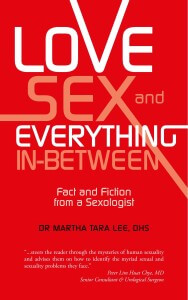
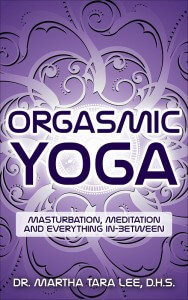
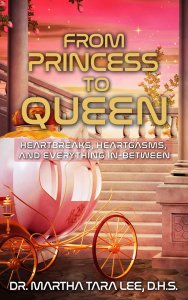
An accomplished author, Dr. Lee has published four books: Love, Sex and Everything In-Between (2013), Orgasmic Yoga: Masturbation, Meditation and Everything In-Between (2015), From Princess to Queen: Heartbreaks, Heartgasms and Everything In-Between (2017), and {Un}Inhihibited (2019). Her contributions have been recognized with numerous honors, including Her World’s Top 50 Inspiring Women under 40 (2010), CozyCot’s Top 100 Inspiring Women (2011), Global Woman of Influence (2024), the Most Supportive Relationship Coach (Singapore Business Awards, APAC Insider, 2025), and the Icon of Change International Award (2025).
You can read the testimonials she’s received over years here. For her full profile, click here. Email her here.