 Become a Patron!
Sexual compatibility is often misunderstood yet critically important for relationship satisfaction. Many couples assume that love guarantees amazing sex or that matching libidos are the key to fulfillment. But research consistently challenges these assumptions, revealing that sexual compatibility is far more nuanced than people believe (McNulty et al., 2016).
As a relationship counselor and clinical sexologist, I’ve supported countless couples navigating issues of intimacy, desire, and connection. One of the biggest misconceptions I encounter is the belief that sexual compatibility is something you either have or don’t have. In reality, it’s something that can be nurtured and cultivated. This article explores what sexual compatibility truly means, why it matters, and how couples can create a more fulfilling sex life—even when differences exist.
What Sexual Compatibility Really Means
Sexual compatibility is often confused with simply having matching sexual desires or frequency preferences. However, it encompasses much more than just aligned libidos or sexual styles.
One of the most common misconceptions is equating compatibility with how often partners want sex. Many people believe that if one partner wants sex more often than the other, they must be fundamentally incompatible. But this reductive view ignores the deeper elements of intimacy that shape sexual satisfaction.
At its core, sexual compatibility is about how well partners align in their desires, preferences, and responsiveness—essentially, how harmoniously their experiences unfold together (Mark et al., 2013). It includes elements such as:
- How partners communicate about sex
- Their mutual responsiveness during intimacy
- The emotional connection they share
- Their willingness to prioritize each other’s pleasure
- The chemistry or attraction between them
Research by Offman and Matheson (2005) found that sexual compatibility is a key predictor of relationship satisfaction across all types of relationships. When couples perceive themselves as sexually incompatible, it can lead to significant distress, anxiety, and even relationship dissatisfaction.
The Perception-Reality Gap
Here’s something fascinating: perception matters more than reality. Studies show that believing you’re sexually compatible is a stronger predictor of satisfaction than actually matching in preferences or desire levels (Mark et al., 2013).
This contradicts the common belief that differences in sexual frequency mean partners are mismatched. Many couples with differing desires thrive because they communicate, compromise, and find creative ways to stay connected. The key isn’t perfect alignment but rather how partners navigate differences with empathy and understanding.
Essential Components of Sexual Compatibility
Research identifies three key elements that shape true sexual compatibility:
1. Chemistry: The Spark
Chemistry creates the initial spark that fuels attraction. While love builds emotional depth, chemistry brings excitement and passion. Research shows that chemistry operates independently from love, meaning even deeply connected couples may need to intentionally reignite passion over time (Walker & Lutmer, 2023).
2. Sexual Responsiveness: The Connection
Sexual responsiveness—the ability to be present, attentive, and attuned to a partner’s needs—sets apart fulfilling sexual relationships from disconnected ones (Walker & Lutmer, 2024). Responsiveness matters more than frequency because a partner who desires sex less often but is fully engaged during intimacy often creates greater satisfaction than a partner who wants sex frequently but remains emotionally detached.
Key aspects of responsiveness include:
- Reading verbal and non-verbal cues
- Adjusting based on feedback
- Being emotionally present
- Prioritizing mutual pleasure
3. Communication and Effort: The Foundation
Perhaps the most crucial takeaway is that sexual compatibility isn’t static—it can be cultivated through open communication and effort. A meta-analysis by Mallory et al. (2019) found that couples who openly discuss sex report significantly higher sexual satisfaction than those who avoid these conversations.
For couples with different frequency preferences, communication is even more essential. Many assume that differing desires indicate fundamental incompatibility, but in reality, honest dialogue can bridge these gaps.
The Psychology of Frequency Differences
Differences in sexual frequency are one of the most common challenges I see in my practice. Research indicates that in about 80% of relationships, partners differ in how often they want sex (Herbenick et al., 2014). This often leads to frustration because:
- The higher-desire partner may feel rejected, triggering fears of abandonment.
- The lower-desire partner may feel pressured, leading to stress and avoidance.
- Cultural myths equate frequent sex with relationship success, making couples question their bond.
- Unresolved differences can lead to negative communication patterns, deepening the divide.
Understanding these dynamics helps couples depersonalize their differences and view them as challenges to work through, rather than signs of incompatibility.
Practical Strategies for Enhancing Sexual Compatibility
Regardless of where a couple starts, compatibility can be improved with intentional effort. Here are some research-backed strategies:
To Cultivate Chemistry:
- Create novelty by exploring new environments, times of day, or styles of intimacy.
- Maintain independence to keep some mystery and attraction alive.
- Engage all senses—use scents, music, textures, and tastes to enhance experiences.
- Build anticipation through flirtation, suggestive messages, or intimate rituals.
To Improve Responsiveness:
- Practice mindful intimacy by focusing fully on the experience.
- Regularly check in with each other about what feels good.
- Develop a feedback system that allows for comfortable communication.
- Remove distractions like phones and TV from intimate spaces.
To Enhance Communication:
- Schedule regular check-ins about intimacy.
- Use prompts, like conversation cards, to open dialogue.
- Practice “I” statements to express needs without blaming.
- Develop a shared language for discussing desires and boundaries.
To Address Frequency Differences:
- Expand your definition of intimacy beyond penetration.
- Look for underlying needs—sometimes frequency concerns reflect deeper emotional desires.
- Create different intimacy “menus” with options for various levels of engagement.
- Focus on satisfaction, connection, and pleasure rather than just tracking frequency.
- Understand responsive desire—many people experience arousal after intimacy begins rather than before.
- Acknowledge biological factors like stress, hormones, and health conditions that impact desire.
When Professional Support Can Help
While these strategies help many couples, professional guidance can be invaluable, especially when:
- Conversations about sex repeatedly lead to conflict.
- Frequency differences are causing emotional distress.
- Past sexual experiences affect current intimacy.
- Physical health concerns complicate sexual connection.
- Couples feel stuck in frustrating patterns.
As a certified relationship counselor and clinical sexologist, I provide structured, evidence-based support to help couples create deeper intimacy and lasting sexual compatibility. Whether it’s improving communication, overcoming barriers, or reigniting passion, professional guidance can transform relationships.
Compatibility as a Journey
Sexual compatibility isn’t about perfectly matched desires—it’s about cultivating a responsive, communicative, and fulfilling intimate relationship. The real secret to great sex isn’t effortless perfection but rather effort, curiosity, and a willingness to grow together.
True sexual wellness comes when we move beyond external expectations and focus on creating intimacy that feels authentic and meaningful. The question isn’t whether you’re naturally compatible, but how you can grow more compatible over time.
Take the Next Step in Your Relationship Journey
If you and your partner are struggling with sexual compatibility, you’re not alone—and solutions exist. As a relationship counselor and clinical sexologist, I help couples navigate these challenges and build more satisfying intimate connections.
Ready to create greater sexual harmony? Your relationship deserves more than just surviving differences—it deserves to thrive through them.
References
- Allen, E. S., & Atkins, D. C. (2012). The association of divorce and extramarital sex in a representative U.S. sample. Journal of Family Issues, 33(11), 1477-1493. https://doi.org/10.1177/0192513X124396
- Frederick, D. A., St. John, H. K., Garcia, J. R., & Lloyd, E. A. (2018). Differences in orgasm frequency among gay, lesbian, bisexual, and heterosexual men and women in a U.S. national sample. Archives of Sexual Behavior, 47(1), 273-288. https://doi.org/10.1007/s10508-017-0939-z
- Herbenick, D., Mullinax, M., & Mark, K. (2014). Sexual desire discrepancy as a feature, not a bug, of long-term relationships: Women’s self-reported strategies for modulating sexual desire. The Journal of Sexual Medicine, 11(9), 2196-2206. https://doi.org/10.1111/jsm.12625
- Mallory, A. B., Stanton, A. M., & Handy, A. B. (2019). Couples’ sexual communication and dimensions of sexual function: A meta-analysis. Journal of Sex Research, 56(7), 882–898. https://doi.org/10.1080/00224499.2019.1568375
- Mark, K. P., Milhausen, R. R., & Maitland, S. B. (2013). The impact of sexual compatibility on sexual and relationship satisfaction in a sample of young adult heterosexual couples. Sexual and Relationship Therapy, 28(3), 201-214. https://doi.org/10.1080/14681994.2013.807336
- McNulty, J. K., Wenner, C. A., & Fisher, T. D. (2016). Longitudinal associations among relationship satisfaction, sexual satisfaction, and frequency of sex in early marriage. Archives of Sexual Behavior, 45(1), 85-97. https://doi.org/10.1007/s10508-014-0444-6
- Offman, A., & Matheson, K. (2005). Sexual compatibility and sexual functioning in intimate relationships. The Canadian Journal of Human Sexuality, 14(1-2), 31-39.
- The Kinsey Institute. (n.d.). Sexual communication and satisfaction in relationships. https://kinseyinstitute.org/research/relationship-satisfaction.php
- Walker, A. M., & Lutmer, A. (2024). Sexual skills, sexual responsiveness, and sexual mindfulness: Components of great sexual experiences. Sexuality & Culture. https://doi.org/10.1007/s12119-024-10226-y
- Walker, A., & Lutmer, A. (2023). Caring, chemistry, and orgasms: Components of great sexual experiences. Sexuality & Culture.
About Dr. Martha Tara Lee

Dr. Martha Tara Lee has been a passionate advocate for positive sexuality since 2007. With a Doctorate in Human Sexuality and a Master’s in Counseling, she founded Eros Coaching in 2009 to help individuals and couples lead self-actualized and pleasurable lives. Her expertise includes working with couples in unconsummated marriages, individuals with sexual inhibitions or desire discrepancies, men facing erection and ejaculation concerns, and members of the LGBTQIA+ and kink communities. She welcomes people of all sexual orientations and offers both online and in-person consultations in English and Mandarin.
Dr. Lee is the only certified sexuality educator by the American Association of Sexuality Educators, Counselors and Therapists (AASECT) in the region since 2011, and became an AASECT-certified sexuality educator supervisor in 2018. Her fun, educational, and sex-positive approach has been featured in international media including Huffington Post, Newsweek, and South China Morning Post. She currently serves as Resident Sexologist for the Singapore Cancer Society, Of Noah.sg, OfZoey.sg, and Sincere Healthcare Group., and is the host of the podcast Eros Matters.
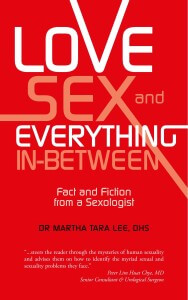
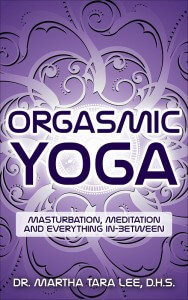
An accomplished author, Dr. Lee has published four books: Love, Sex and Everything In-Between (2013), Orgasmic Yoga: Masturbation, Meditation and Everything In-Between (2015), From Princess to Queen: Heartbreaks, Heartgasms and Everything In-Between (2017), and {Un}Inhihibited (2019). Her contributions have been recognized with numerous honors, including Her World’s Top 50 Inspiring Women under 40 (2010), CozyCot’s Top 100 Inspiring Women (2011), Global Woman of Influence (2024), the Most Supportive Relationship Coach (Singapore Business Awards, APAC Insider, 2025), and the Icon of Change International Award (2025).
You can read the testimonials she’s received over years here. For her full profile, click here. Email her here.