 Become a Patron!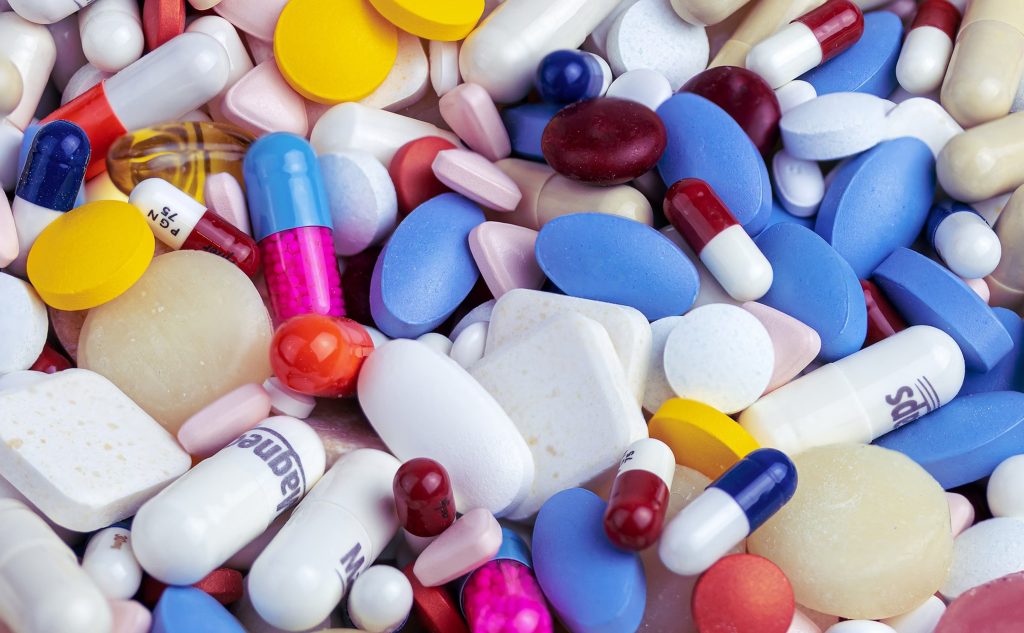
Medications affect us in ways we don’t always realize—shaping our mood, energy, relationships, and even sexuality. Many of us take antidepressants, anti-anxiety medications, mood stabilizers, or painkillers without fully understanding how they impact our emotions, focus, and physical well-being. Others hear medical terms thrown around—SSRIs, SNRIs, beta blockers, neurofeedback, cannabinoids—but have no idea what they actually mean.
I’ve been learning about these medications myself—not as a medical doctor (which I am not), but as a relationship counselor and clinical sexologist who sees the impact they have on intimacy, emotions, and connection. Through my practice, I’ve realized that most people are completely in the dark about what they’re taking and how it influences their daily lives. This guide is my way of breaking it down simply—not to diagnose or prescribe, but to help you understand what no one ever explained to you.
Antidepressants: SSRIs vs. SNRIs
What They Are
Selective Serotonin Reuptake Inhibitors (SSRIs) like Prozac, Zoloft, and Paxil, and Serotonin-Norepinephrine Reuptake Inhibitors (SNRIs) like Effexor and Cymbalta, are the most commonly prescribed antidepressants. They increase serotonin (and norepinephrine for SNRIs) to regulate mood, anxiety, and stress responses.
What You Didn’t Know
- Sexual side effects – Up to 70% of people on SSRIs experience reduced libido, difficulty reaching orgasm, or genital numbness (Clayton et al., 2016).
- Emotional blunting – Some people feel numb or disconnected, with less excitement, joy, or deep emotional connection.
- Withdrawal symptoms – Stopping suddenly can cause brain zaps, nausea, and mood swings (Fava et al., 2015).
- SNRIs vs. SSRIs – SNRIs provide more energy and help with chronic pain but can raise blood pressure or worsen anxiety in some people.
Anti-Anxiety Medications: Beta Blockers & Alpha Agonists
What They Are
Beta blockers (Propranolol) and alpha agonists (Clonidine) work on the nervous system to control anxiety symptoms by reducing heart rate, blood pressure, and stress responses.
What You Didn’t Know
- Performance anxiety relief – Beta blockers are often used off-label to block physical anxiety symptoms like racing heart and trembling (Schneier, 2006).
- Cognitive effects – Alpha agonists can cause fatigue, brain fog, and low energy levels.
- Safer than benzodiazepines – Unlike Xanax or Ativan, these are non-addictive and don’t create physical dependence.
Mood Stabilizers & Antiepileptics: Tegretol & Depakote
What They Are
Originally for epilepsy, medications like Tegretol (carbamazepine) and Depakote (valproic acid) now treat bipolar disorder and severe mood swings.
What You Didn’t Know
- Cognitive side effects – Some mood stabilizers cause brain fog, slower thinking, or memory issues (Goldberg & Chengappa, 2009).
- Metabolic effects – Weight gain and hormonal changes are common, especially with valproic acid.
- Regular blood tests needed – To ensure safety, some require monitoring to prevent toxicity.
Atypical Antipsychotics: Risperdal, Abilify, Seroquel
What They Are
Initially for schizophrenia, these are now widely used for bipolar disorder, depression, and even sleep issues.
What You Didn’t Know
- Metabolic syndrome risk – Some, like Seroquel, cause significant weight gain and diabetes risk (Correll et al., 2015).
- Can increase impulsivity – Abilify may trigger compulsive behaviors like gambling or hypersexuality.
- Sleep effects – Medications like Seroquel help with sleep but alter natural sleep cycles.
Cannabinoids: CBD vs. THC for Inflammation & Mental Health
What They Are
Compounds in cannabis that affect pain, mood, and inflammation by interacting with the endocannabinoid system.
What You Didn’t Know
- THC’s anxiety paradox – Low doses reduce anxiety, but high doses can increase paranoia (Crippa et al., 2012).
- CBD’s medical potential – Helps inflammation, anxiety, and pain, but interacts with medications like blood thinners.
- Not all cannabis is the same – The “entourage effect” means CBD and THC work differently depending on the strain and formulation.
Neurofeedback for ADHD: Training the Brain Without Meds
What It Is
Neurofeedback uses EEG brain training to help people with ADHD improve focus and impulse control.
What You Didn’t Know
- Research-backed – Studies show lasting improvement in ADHD symptoms, sometimes as effective as stimulants (Van Doren et al., 2019).
- Time commitment – 30-40 sessions are needed for noticeable results.
- Works long-term – Unlike meds, neurofeedback trains the brain to self-regulate beyond treatment.
Understanding the SUDS Scale: Measuring Emotional Distress
What It Is
The Subjective Units of Distress Scale (SUDS) helps measure emotional overwhelm on a scale from 0 (calm) to 100 (panic).
What You Didn’t Know
- Used in therapy – Common in CBT, trauma therapy, and exposure therapy to track progress.
- Links to physical signs – Higher SUDS scores correlate with heart rate changes and cortisol spikes.
- Helps emotional awareness – Regular use improves self-regulation and coping skills.
Final Thoughts: You Deserve to Know More
We put things into our bodies every day—medications, supplements, even cannabis—without knowing how they truly work. Understanding what we take, how it affects us, and what alternatives exist gives us more control over our mental, emotional, and sexual well-being.
If you’ve ever had questions about your medications but felt too afraid to ask, let this be your starting point. Because what you don’t know can still affect you—and now you know. Book a session with me or my team. We are not medical professionals but mental health counsellors and can support you in non-medical ways.
References
- Clayton, A. H., Croft, H. A., & Handiwala, L. (2016). Antidepressants and sexual dysfunction: Mechanisms and clinical implications. Postgraduate Medicine, 126(2), 91-99. https://doi.org/10.3810/pgm.2014.03.2744
- Correll, C. U., Detraux, J., De Lepeleire, J., & De Hert, M. (2015). Effects of antipsychotics, antidepressants and mood stabilizers on risk for physical diseases in people with schizophrenia, depression and bipolar disorder. World Psychiatry, 14(2), 119-136. https://doi.org/10.1002/wps.20204
- Crippa, J. A., Derenusson, G. N., Ferrari, T. B., Wichert-Ana, L., Duran, F. L., Martin-Santos, R., Simões, M. V., Bhattacharyya, S., Fusar-Poli, P., Atakan, Z., Santos Filho, A., Freitas-Ferrari, M. C., McGuire, P. K., Zuardi, A. W., Busatto, G. F., & Hallak, J. E. (2012). Neural basis of anxiolytic effects of cannabidiol (CBD) in generalized social anxiety disorder: A preliminary report. Journal of Psychopharmacology, 25(1), 121-130. https://doi.org/10.1177/0269881110379283
- Fava, G. A., Gatti, A., Belaise, C., Guidi, J., & Offidani, E. (2015). Withdrawal symptoms after selective serotonin reuptake inhibitor discontinuation: A systematic review. Psychotherapy and Psychosomatics, 84(2), 72-81. https://doi.org/10.1159/000370338
- Goldberg, J. F., & Chengappa, K. N. (2009). Identifying and treating cognitive impairment in bipolar disorder. Bipolar Disorders, 11(Suppl 2), 123-137. https://doi.org/10.1111/j.1399-5618.2009.00716.x
- Schneier, F. R. (2006). Clinical practice. Social anxiety disorder. The New England Journal of Medicine, 355(10), 1029-1036. https://doi.org/10.1056/NEJMcp060145
- Van Doren, J., Arns, M., Heinrich, H., Vollebregt, M. A., Strehl, U., & Loo, S. K. (2019). Sustained effects of neurofeedback in ADHD: A systematic review and meta-analysis. European Child & Adolescent Psychiatry, 28(3), 293-305. https://doi.org/10.1007/s00787-018-1121-4
About Dr. Martha Tara Lee

Dr. Martha Tara Lee has been a passionate advocate for positive sexuality since 2007. With a Doctorate in Human Sexuality and a Master’s in Counseling, she founded Eros Coaching in 2009 to help individuals and couples lead self-actualized and pleasurable lives. Her expertise includes working with couples in unconsummated marriages, individuals with sexual inhibitions or desire discrepancies, men facing erection and ejaculation concerns, and members of the LGBTQIA+ and kink communities. She welcomes people of all sexual orientations and offers both online and in-person consultations in English and Mandarin.
Dr. Lee is the only certified sexuality educator by the American Association of Sexuality Educators, Counselors and Therapists (AASECT) in the region since 2011, and became an AASECT-certified sexuality educator supervisor in 2018. Her fun, educational, and sex-positive approach has been featured in international media including Huffington Post, Newsweek, and South China Morning Post. She currently serves as Resident Sexologist for the Singapore Cancer Society, Of Noah.sg, OfZoey.sg, and Sincere Healthcare Group, and is the host of the podcast Eros Matters.
An accomplished author, Dr. Lee has published four books: Love, Sex and Everything In-Between (2013), Orgasmic Yoga: Masturbation, Meditation and Everything In-Between (2015), From Princess to Queen: Heartbreaks, Heartgasms and Everything In-Between (2017), and {Un}Inhibited (2019). Her contributions have been recognized with numerous honors, including Her World’s Top 50 Inspiring Women under 40 (2010), CozyCot’s Top 100 Inspiring Women (2011), Global Woman of Influence (2024), the Most Supportive Relationship Coach (Singapore Business Awards, APAC Insider, 2025), and the Icon of Change International Award (2025).
You can read the testimonials she’s received over years here. For her full profile, click here. Email her here.