 Become a Patron!
Every year-end, people ask the same questions.
“What did I achieve?” “What are my goals?” “What’s my word for next year?”
I’m not against any of that. But in my work, I see a more honest reality:
Many people don’t need more motivation.
They need a safer way to tell the truth about what’s been quietly costing them.
Because the pain points that break people down aren’t usually loud. They’re subtle and repetitive.
The relationship that looks fine but feels lonely.
The sex life that isn’t “bad” but has become duty, avoidance, or silence.
The resentment that keeps building because nobody is naming needs clearly.
The body that keeps saying no while the mind keeps pushing through.
So this is not a “new year, new you” post.
This is a relationship + desire + sustainability check-in you can revisit every year.
Use it alone, or do it with your partner.
Take one question a day if that’s what you can manage.
The 8 Questions
1) Body & Nervous System
What have I been tolerating that my body has already been protesting?
Look for the quiet tells: tightness, dread, shutdown, irritability, numbness, insomnia, compulsive scrolling, “I can’t be bothered.”
If your body could speak in one sentence about this year, what would it say?
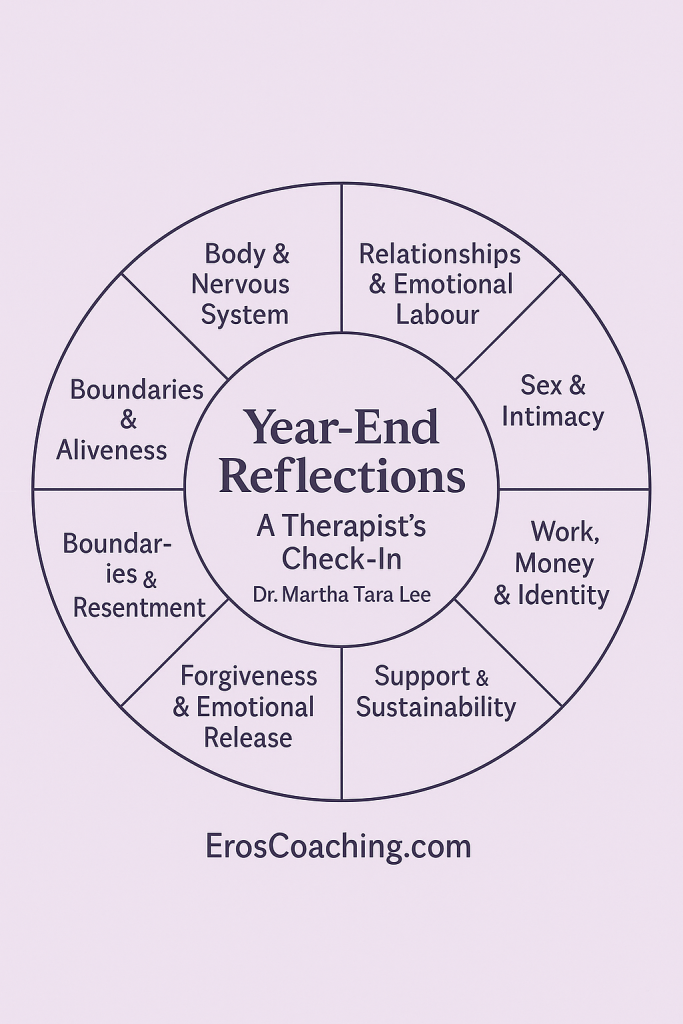
2) Relationships & Emotional Labour
Where have I been over-functioning to keep relationships stable?
Who am I managing, rescuing, smoothing over, translating, or carrying emotionally?
If I stopped doing the emotional admin, what would be revealed?
3) Boundaries & Resentment
What resentment am I carrying, and what boundary is hiding underneath it?
Resentment is often a boundary you didn’t set, didn’t enforce, or outgrew.
What am I giving that I no longer want to give?
What am I saying “yes” to that my body experiences as “no”?
4) Desire & Aliveness
Desire: What is my desire trying to tell me?
Not “what do I want?” but “what am I missing?”
More safety? More novelty? More play? More rest? More tenderness? Less pressure?
Where have I been starving myself emotionally or sensorially and calling it maturity?
5) Intimacy & Sex
Sex & intimacy: If I’m brutally honest, what happened to our erotic connection this year?
If it’s been low, don’t blame libido first. Ask what’s underneath: stress, resentment, exhaustion, pain, body image, grief, unresolved conflict, fear of rejection.
If it’s been active, ask: do I feel met, or performed?
What would “good intimacy” actually mean for me now (not 10 years ago)?
6) Work, Money & Identity
Work & identity: What looks “successful” but feels misaligned?
Which role is draining me because it’s built on proving, pleasing, or performing?
Where am I using work as self-worth?
Where am I undercharging, overgiving, or treating rest like a reward I haven’t earned?
7) Forgiveness & Emotional Release
Forgiveness: What am I still carrying because I never processed it properly?
Let me be clear: forgiveness is not excusing harm, pretending it didn’t matter, or letting someone back in.
Forgiveness is about releasing the ongoing emotional tax that keeps showing up in your nervous system, your relationships, and sometimes your sexuality.
Who am I ready to stop punishing?
And also: what version of myself am I ready to stop punishing?
Research consistently links forgiveness interventions with improvements in forgiveness itself and reductions in distress like anxiety and depression, and workbook-based forgiveness interventions have shown measurable benefits in large trials.
8) Support & Sustainability
Support: What would make next year sustainable, not heroic?
What do I need to stop doing alone?
What support would reduce friction immediately?
What needs to become simpler, cleaner, or more resourced?
If You’re Doing This As A Couple
Try these two sentence starters (don’t debate them, just listen):
- “This year I felt closest to you when…”
- “This year I felt furthest from you when…”
Then ask: “What repair would matter most going into next year?”
(If you can’t do this without escalating, that’s not failure. That’s information.)
You don’t need perfect answers.
You need honest ones.
If one question makes you go quiet, that’s usually the one worth staying with.
If you want support, you don’t have to wait for a crisis.
At Eros Coaching, my team and I work with individuals and couples on relationship patterns, desire discrepancy, intimacy blocks, sexual concerns, and the emotional load that sits underneath all of it.
References
American Psychological Association. (2017, January). Forgiveness can improve mental and physical health. Monitor on Psychology. American Psychological Association
Ho, M. Y., et al. (2024). International REACH forgiveness intervention: A multisite randomized trial of a self-directed forgiveness workbook. BMJ Public Health, 2(1), e000072. bmjpublichealth.bmj.com
Wade, N. G., Hoyt, W. T., Kidwell, J. E. M., & Worthington, E. L., Jr. (2014). Efficacy of psychotherapeutic interventions to promote forgiveness: A meta-analysis. Journal of Consulting and Clinical Psychology, 82(1), 154–170. PubMed
About Dr. Martha Tara Lee

Dr. Martha Tara Lee has been a passionate advocate for positive sexuality since 2007. With a Doctorate in Human Sexuality and a Master’s in Counseling, she founded Eros Coaching in 2009 to help individuals and couples lead self-actualized and pleasurable lives. Her expertise includes working with couples in unconsummated marriages, individuals with sexual inhibitions or desire discrepancies, men facing erection and ejaculation concerns, and members of the LGBTQIA+ and kink communities. She welcomes people of all sexual orientations and offers both online and in-person consultations in English and Mandarin.
Dr. Lee is the only certified sexuality educator by the American Association of Sexuality Educators, Counselors and Therapists (AASECT) in the region since 2011, and became an AASECT-certified sexuality educator supervisor in 2018. Her fun, educational, and sex-positive approach has been featured in international media including Huffington Post, Newsweek, and South China Morning Post. She currently serves as Resident Sexologist for the Singapore Cancer Society, Of Noah.sg, OfZoey.sg, and Sincere Healthcare Group., and is the host of the podcast Eros Matters.
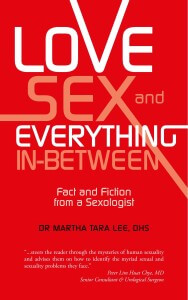
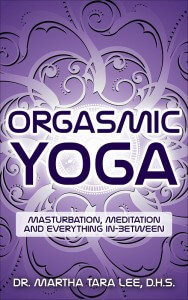
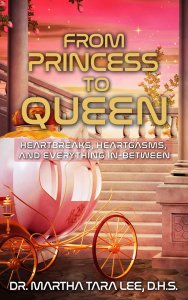
An accomplished author, Dr. Lee has published four books: Love, Sex and Everything In-Between (2013), Orgasmic Yoga: Masturbation, Meditation and Everything In-Between (2015), From Princess to Queen: Heartbreaks, Heartgasms and Everything In-Between (2017), and {Un}Inhihibited (2019). Her contributions have been recognized with numerous honors, including Her World’s Top 50 Inspiring Women under 40 (2010), CozyCot’s Top 100 Inspiring Women (2011), Global Woman of Influence (2024), the Most Supportive Relationship Coach (Singapore Business Awards, APAC Insider, 2025), and the Icon of Change International Award (2025).
You can read the testimonials she’s received over years here. For her full profile, click here. Email her here.