 Become a Patron!
 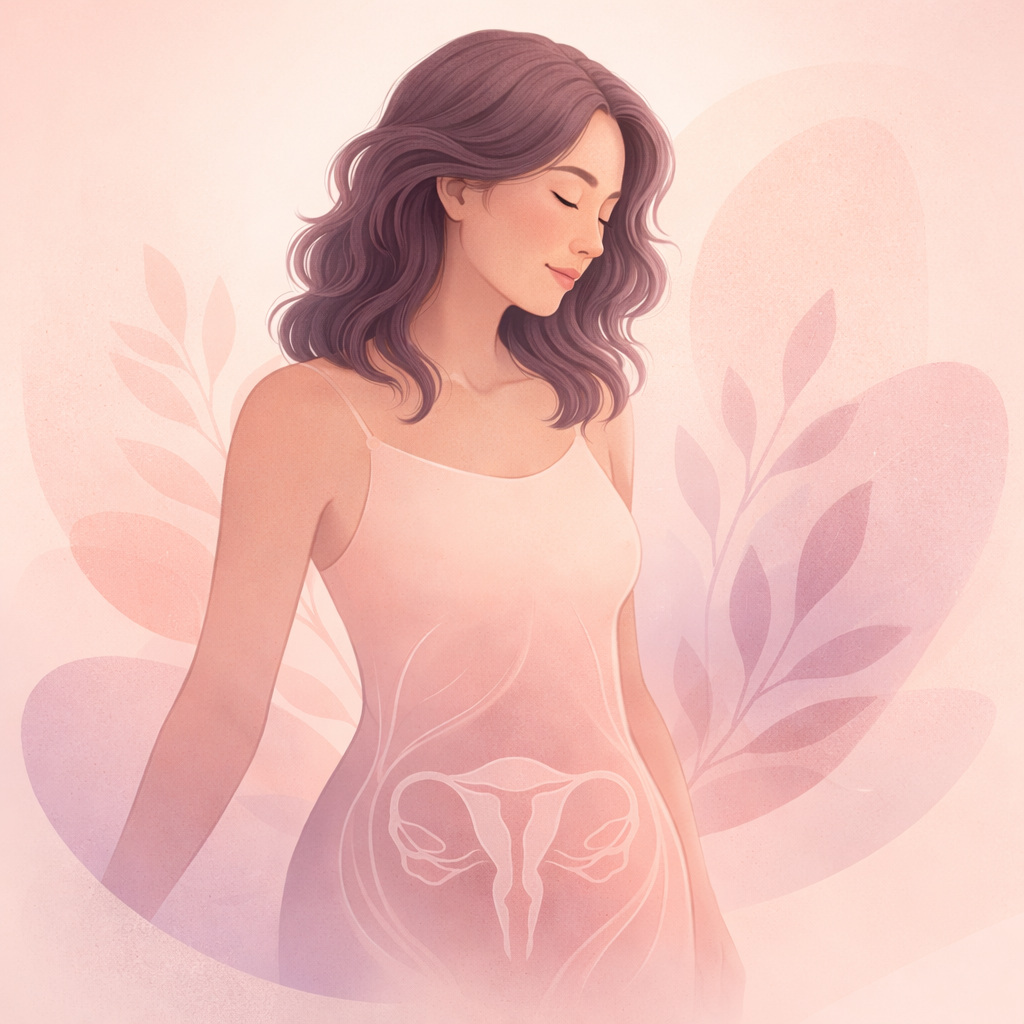 This article is written for vulva owners in their forties and beyond — including women, trans men, and non-binary people — navigating hormonal change, perimenopause, menopause, or post-menopause. While medical research often uses the category “women,” the physiological changes discussed relate to estrogen decline and genital anatomy, not gender identity.
For many people, their forties and fifties bring a shift that’s hard to name at first.
Desire that used to arrive unbidden now needs coaxing. Sensation feels muted. Penetration that was comfortable becomes painful. Because these changes happen gradually — and because we’re taught that sexuality naturally fades with age — many of us simply accept them as inevitable.
This acceptance, from a clinical standpoint, is both unnecessary and harmful.
A growing body of research confirms that sexual stimulation plays an active role in maintaining vulvar and vaginal health, pelvic floor function, and emotional wellbeing throughout midlife and later life. In this context, vibrators aren’t indulgences. They’re evidence-supported tools that can help support sexual health as our bodies change.
What Actually Changes
From the mid-forties onward, many vulva owners enter perimenopause. Estrogen levels fluctuate wildly before gradually declining, affecting genital tissue, nerve sensitivity, and muscular support in ways that can feel bewildering.
These changes are called Genitourinary Syndrome of Menopause (GSM), reflecting combined effects on the vulva, vagina, urethra, and bladder (Portman & Gass, 2014). GSM can show up as vaginal dryness, thinning tissue, burning or irritation, pain with penetration, reduced clitoral sensitivity, and urinary urgency.
What matters: GSM is progressive. Without intervention, these tissue changes worsen over time (NAMS, 2020).
Why Stimulation Matters More With Age
Healthy vulvar and vaginal tissue depends on regular blood flow, oxygenation, and mechanical stimulation. Sexual arousal increases circulation, supports elasticity, and contributes to lubrication (Kingsberg et al., 2017).
As estrogen declines, arousal often requires more sustained or intense stimulation. Nerve endings become less sensitive. Blood flow increases more slowly. What used to work reliably may stop working.
This is where vibratory stimulation becomes clinically relevant.
Vibrators provide consistent, high-intensity stimulation that exceeds what hands or penetration alone can offer. Research shows vibratory stimulation is associated with improved genital blood flow, greater ease reaching orgasm, increased satisfaction, and enhanced confidence (Herbenick et al., 2009).
Beyond pleasure, vibrators may support vaginal tissue health itself. Increased blood flow helps counteract thinning and dryness, while gentle stimulation can maintain tissue flexibility (Faubion et al., 2017).
Clinical guidelines increasingly recognize that sexual activity — including solo stimulation — supports vaginal health alongside medical treatments like vaginal estrogen (NAMS, 2020).
Vibratory stimulation has also been associated with increased pelvic muscle engagement and improved neuromuscular awareness (Meston et al., 2004).
While pelvic floor physiotherapy remains the gold standard for dysfunction, vibrators can serve as a useful adjunct.
Mental Health and Sexual Agency
Research links vibrator use with lower depressive symptoms, higher life satisfaction, improved body acceptance, and greater relationship satisfaction (Herbenick et al., 2010; Hensel et al., 2016).
For many, reclaiming pleasure in midlife is about agency — learning how your body works now, rather than mourning what’s changed.
Practical Guidance
Choosing a Vibrator
- Clitoral vibrators focus on external stimulation — bullet vibrators (discreet, portable), wand-style massagers (powerful, broad), and air-pulse stimulators (suction-like). For midlife bodies experiencing reduced sensitivity, these often provide the most reliable stimulation.
- Internal vibrators are designed for vaginal insertion, often curved for G-spot targeting. These can help maintain vaginal elasticity when used with generous lubrication.
- Dual-action vibrators stimulate both internally and externally simultaneously but may feel overwhelming when starting out — especially for bodies adjusting to new sensitivity levels.
Look for body-safe materials (medical-grade silicone, ABS plastic), rechargeable options, and adjustable intensity. Avoid porous materials like jelly rubber.
How to Use
Start externally, even if penetration is your goal. Begin with clitoral or vulvar stimulation to increase arousal and blood flow.
Use lubrication from the start — don’t wait. Start on lower settings and increase gradually. Try holding the vibrator in place with steady pressure rather than vigorous movement.
Take your time — arousal builds more slowly as we age.
- Water-based lubricants are safe for all toy materials and wash off easily. Reapply as needed during longer sessions.
- Silicone-based last longer and feel silkier but can degrade silicone toys. Use with plastic or metal vibrators.
- Hybrid lubricants combine water and silicone, offering benefits of both.
Avoid lubricants with glycerin, parabens, warming/cooling agents, and flavored products — particularly if you’re prone to irritation or have thinning tissue.
General Principles
Pain is not something to push through. Persistent discomfort warrants assessment by a menopause-informed clinician or pelvic floor therapist.
Wash vibrators with mild soap and water before and after use — thinning tissue is more vulnerable to infection.
Choice matters. Vibrators are tools, not obligations.
Reframing Sexuality After 40
Cultural narratives position aging vulva owners as post-sexual, yet research shows many report greater sexual satisfaction after 50, especially when freed from performance pressure and narrow definitions of “real sex” (Fileborn et al., 2015).
Menopause doesn’t mark the end of sexual possibility. It marks a change in conditions — one that calls for adaptation, information, and support rather than resignation.
When framed responsibly, vibrators aren’t about chasing youth. They’re about supporting genital health, pleasure, and agency in the body you have now.
Navigating these changes doesn’t have to be isolating. If you’d like clinical support tailored to your body and your experience, my team and I work with people through perimenopause, menopause, and beyond. Visit ErosCoaching.com to learn more about how we can help.
References
Faubion, S. S., Sood, R., & Kapoor, E. (2017). Genitourinary syndrome of menopause: Management strategies for the clinician. Mayo Clinic Proceedings, 92(12), 1842–1849.
Fileborn, B., Thorpe, R., Hawkes, G., Minichiello, V., Pitts, M., & Dune, T. (2015). Sex, desire and pleasure: Considering the experiences of older Australian women. Sexual and Relationship Therapy, 30(1), 117–130.
Hensel, D. J., Fortenberry, J. D., & Herbenick, D. (2016). Sexual pleasure during partnered sex and masturbation in midlife women. Journal of Women’s Health, 25(6), 615–622.
Herbenick, D., Reece, M., Sanders, S. A., Dodge, B., Ghassemi, A., & Fortenberry, J. D. (2009). Prevalence and characteristics of vibrator use by women in the United States. Journal of Sexual Medicine, 6(7), 1857–1866.
Herbenick, D., Reece, M., Sanders, S. A., Dodge, B., & Fortenberry, J. D. (2010). Women’s vibrator use in sexual partnerships. Journal of Sexual Medicine, 7(9), 3169–3177.
Kingsberg, S. A., Wysocki, S., Magnus, L., & Krychman, M. L. (2017). Vulvar and vaginal atrophy in postmenopausal women: Findings from the REVIVE survey. Journal of Sexual Medicine, 10(7), 1790–1799.
Meston, C. M., Levin, R. J., Sipski, M. L., Hull, E. M., & Heiman, J. R. (2004). Women’s orgasm. Annual Review of Sex Research, 15, 173–257.
Portman, D. J., & Gass, M. L. S. (2014). Genitourinary syndrome of menopause: New terminology for vulvovaginal atrophy from the International Society for the Study of Women’s Sexual Health and the North American Menopause Society. Menopause, 21(10), 1063–1068.
The North American Menopause Society. (2020). The 2020 genitourinary syndrome of menopause position statement. Menopause, 27(9), 976–992.
About Dr. Martha Tara Lee

Dr. Martha Tara Lee has been a passionate advocate for positive sexuality since 2007. With a Doctorate in Human Sexuality and a Master’s in Counseling, she founded Eros Coaching in 2009 to help individuals and couples lead self-actualized and pleasurable lives. Her expertise includes working with couples in unconsummated marriages, individuals with sexual inhibitions or desire discrepancies, men facing erection and ejaculation concerns, and members of the LGBTQIA+ and kink communities. She welcomes people of all sexual orientations and offers both online and in-person consultations in English and Mandarin.
Dr. Lee is the only certified sexuality educator by the American Association of Sexuality Educators, Counselors and Therapists (AASECT) in the region since 2011, and became an AASECT-certified sexuality educator supervisor in 2018. Her fun, educational, and sex-positive approach has been featured in international media including Huffington Post, Newsweek, and South China Morning Post. She currently serves as Resident Sexologist for the Singapore Cancer Society, Of Noah.sg, OfZoey.sg, and Sincere Healthcare Group, and is the host of the podcast Eros Matters.
An accomplished author, Dr. Lee has published four books: Love, Sex and Everything In-Between (2013), Orgasmic Yoga: Masturbation, Meditation and Everything In-Between (2015), From Princess to Queen: Heartbreaks, Heartgasms and Everything In-Between (2017), and {Un}Inhibited (2019). Her contributions have been recognized with numerous honors, including Her World’s Top 50 Inspiring Women under 40 (2010), CozyCot’s Top 100 Inspiring Women (2011), Global Woman of Influence (2024), the Most Supportive Relationship Coach (Singapore Business Awards, APAC Insider, 2025), and the Icon of Change International Award (2025).
You can read the testimonials she’s received over years here. For her full profile, click here. Email her here.