 Become a Patron!
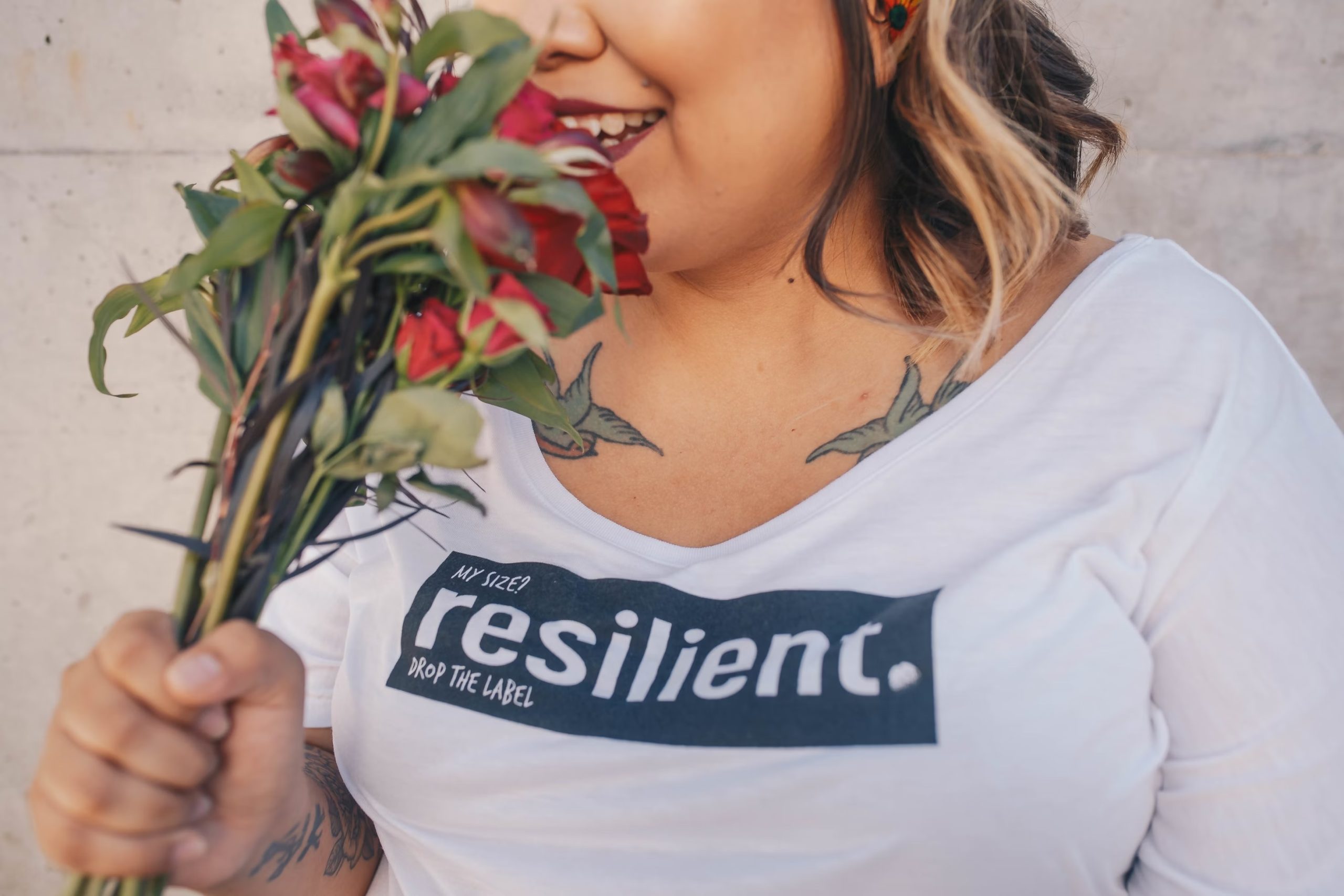 I was bullied relentlessly growing up. Classmates didn’t only call me “fat”—they declared me “the ugliest girl in school.” Not just in my class, but the entire school. I had what adults dismissively called “baby fat,” but being called ugliest cut deeper and longer than anyone realized.
When I share this now, people often don’t believe me. They look at me today and can’t reconcile my past with my present. But it’s true, and those experiences still affect me to this day. One of the harshest lessons I learned early on: good-looking people aren’t necessarily kind. In fact, the most physically attractive individuals were often the cruelest.
The unexpected gift in all this pain? I learned at a young age to look at the inside of a person, not just the outside. This perspective has helped me form genuine connections based on character rather than appearance. But the journey to this wisdom was painful—those words left invisible bruises that took years to heal.
Words have power. They shape our perceptions, influence our emotions, and impact how we see ourselves and others. In conversations about body size, words like “fat,” “curvy,” “plus-size,” or “overweight” can be descriptive, empowering, or deeply wounding—depending on the intent, context, and lived experiences of the people involved.
Body Positivity, Neutrality, and Acceptance: What’s the Difference?
Many people use these terms interchangeably, but they represent different approaches to self-image:
- Body Positivity: Encourages celebrating all body types, challenging unrealistic beauty standards, and promoting inclusivity.
- Body Neutrality: Focuses on what the body can do rather than how it looks, helping to reduce pressure around appearance.
- Body Acceptance: A balance between positivity and neutrality, respecting one’s body even if it isn’t always loved.
No one approach is “better” than another. Our relationship with our bodies is fluid—it changes with life experiences. Some days I feel radiant in my skin; other days, I appreciate neutrality as an option.
Calling Someone ‘Fat’: Fact or Stigma?
Some argue that calling someone “fat” is just a factual description, like saying someone is “tall.” While “fat” can be neutral, it has historically been weaponized as an insult, reinforcing negative stereotypes and body shame. Reclaiming the word is empowering for some, while for others, it remains deeply painful.
Common Myths & Truths
❌ Myth: “Fat is just a description, not an insult.”
✔️ Truth: While it can be neutral, the word “fat” has often been used to shame, making it more than just a descriptor.
❌ Myth: “If someone is fat, they should just lose weight.”
✔️ Truth: Weight is influenced by many factors, including genetics, medical conditions (e.g., PCOS, thyroid disorders), mental health, and lifestyle.
❌ Myth: “Being plus-size means being unhealthy.”
✔️ Truth: Health is not determined by size alone. Many thin people have poor health markers, while plus-size individuals can be healthy.
❌ Myth: “Body positivity promotes unhealthy lifestyles.”
✔️ Truth: Body positivity is about respect and inclusivity, not discouraging health. It encourages people to engage with their bodies in a kind, sustainable way.
What to Say Instead?
If someone is discussing their body, consider their comfort level before using descriptors like “fat” or “plus-size.” Here’s how to respond with sensitivity:
- Instead of: “You’re not fat! Don’t say that.” Say: “Your body doesn’t define your worth. How do you feel about it?”
- Instead of: “You look great for your size.” Say: “You look great.”
- Instead of: “Losing weight is just about discipline.” Say: “Bodies are complex. Everyone’s journey is different.”
- Instead of: “At least you’re healthy!” Say: “It’s okay to have complicated feelings about your body. Health and body image are separate things.”
Who to Follow for Inspiration
Mary Victor (@maryvictorofficial)
Mary Victor is a plus-size model and makeup artist based in Singapore who advocates for body positivity and self-love. Her work challenges narrow beauty standards and creates space for diverse body types. I admire her for empowering women to embrace their beauty on their own terms.
- Virgie Tovar (@virgietovar) – Body liberation activist and author of You Have the Right to Remain Fat.
- Stephanie Yeboah (@stephanieyeboah) – Writer and body positivity advocate focused on representation in media.
- Sonalee Rashatwar (@thefatsextherapist) – Therapist who discusses fatphobia, trauma, and sexuality.
- Lizzo (@lizzobeeating) – Music icon who champions self-love and confidence unapologetically.
Reading & Resources
- Health at Every Size by Linda Bacon – A science-backed approach to weight and health.
- The Body Is Not an Apology by Sonya Renee Taylor – A must-read on radical self-love and body acceptance.
- YouTube: TED Talks by Jameela Jamil and Roxane Gay on body image and fatphobia.
Final Thoughts: Your Words Matter—Choose Them Wisely
I’m still learning and growing in this journey myself. There are days when I catch myself making judgments—about my own body or others’—based on deeply ingrained biases. The work of unlearning these patterns is ongoing, but it’s worth it.
We can choose to be part of the problem by reinforcing harmful stereotypes, or we can be part of the solution by embracing compassion, education, and inclusivity.
If you or someone you know struggles with body image or self-acceptance, we offer counseling to help navigate these challenges. If you’re ready to shift your relationship with your body and reclaim self-acceptance, we’d love to support you on your journey.
About Dr. Martha Tara Lee
Dr. Martha Tara Lee has been a passionate advocate for positive sexuality since 2007. With a Doctorate in Human Sexuality and a Master’s in Counseling, she founded Eros Coaching in 2009 to help individuals and couples lead self-actualized and pleasurable lives. Her expertise includes working with couples in unconsummated marriages, individuals with sexual inhibitions or desire discrepancies, men facing erection and ejaculation concerns, and members of the LGBTQIA+ and kink communities. She welcomes people of all sexual orientations and offers both online and in-person consultations in English and Mandarin.
Dr. Lee is the only certified sexuality educator by the American Association of Sexuality Educators, Counselors and Therapists (AASECT) in the region since 2011, and became an AASECT-certified sexuality educator supervisor in 2018. Her fun, educational, and sex-positive approach has been featured in international media including Huffington Post, Newsweek, and South China Morning Post. She currently serves as Resident Sexologist for the Singapore Cancer Society, Of Noah.sg, OfZoey.sg, and Sincere Healthcare Group., and is the host of the podcast Eros Matters.
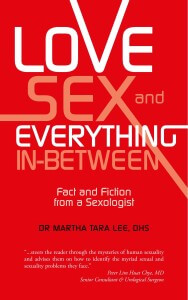
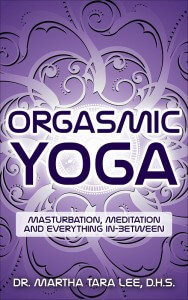
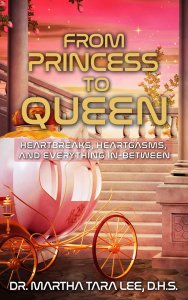
An accomplished author, Dr. Lee has published four books: Love, Sex and Everything In-Between (2013), Orgasmic Yoga: Masturbation, Meditation and Everything In-Between (2015), From Princess to Queen: Heartbreaks, Heartgasms and Everything In-Between (2017), and {Un}Inhihibited (2019). Her contributions have been recognized with numerous honors, including Her World’s Top 50 Inspiring Women under 40 (2010), CozyCot’s Top 100 Inspiring Women (2011), Global Woman of Influence (2024), the Most Supportive Relationship Coach (Singapore Business Awards, APAC Insider, 2025), and the Icon of Change International Award (2025).
You can read the testimonials she’s received over years here. For her full profile, click here. Email her here.