 Become a Patron!
I’ve been working with clients dealing with painful sex for over a decade now, and there’s one question that comes up a lot: “Was it vaginismus, or was I just not into my ex?” It’s such a good question – and honestly, not always easy to answer.
If you’ve ever experienced pain during sex in one relationship but not another, you might have wondered—was it my body or the relationship itself? This question can feel frustrating, but the answer is rarely black and white.
What’s Actually Happening with Vaginismus
Vaginismus is basically when the muscles around the vagina tighten up involuntarily. It’s not something you consciously control – it’s more like a reflex, like when your leg kicks out at the doctor’s office when they tap your knee.
I find it helpful to think about vaginismus in two main ways:
Primary Vaginismus: When someone has never experienced pain-free penetration. Think of it as your body’s default setting being “nope, not today.”
Secondary Vaginismus: This develops after previously having comfortable experiences. That’s often what I see in my practice – someone who was fine, then had some painful experiences, and now their body’s developed this protective response.
This often leads to a pain-fear cycle, where pain triggers fear, causing more muscle tension and leading to further pain.
The confusing part? This can look different depending on what else is going on.
I had one client who was convinced she just wasn’t attracted to her ex-partner. But through our work together, we realized she’d developed vaginismus after several painful encounters where she felt pressured to continue despite discomfort. Her body basically learned: penetration = pain = danger.
It’s Not Just “All in Your Head”
Let me clear something up – vaginismus isn’t imaginary or “just psychological.” It’s a real physical response, even though emotions and relationship dynamics can trigger or worsen it.
Think about it this way: your body is smart. Really smart. It’s constantly trying to protect you, even when you’re not aware of it.
I’ve seen numerous cases where someone’s body essentially says, “Hmm, last time we did this, it hurt. I’m going to tighten these muscles to prevent that happening again.” Then that tightening causes more pain, reinforcing the cycle.
What makes this extra complicated is that stress, feeling unsafe, or being with someone who doesn’t listen to your needs can absolutely make muscle tension worse. So yes – relationship dynamics matter a ton, but that doesn’t mean the vaginismus isn’t real.
So Which Was It: Vaginismus or Incompatibility?
After years of working with clients asking this exact question, I’ve found the answer is often “both.” Here’s what I mean:
Many people I work with developed genuine vaginismus (a physical condition requiring treatment) that was triggered or worsened by relationship dynamics. So both elements are true:
- Yes, your body developed a real protective response (vaginismus) that caused involuntary muscle tightening
- Yes, relationship factors likely contributed to it developing or becoming more severe
Think of it this way: If you sprain your ankle because someone pushed you, the injury is real and needs treatment – even though relationship dynamics caused it.
The good news? Understanding this dual nature helps with recovery. By addressing both the physical symptoms and creating safer relationship dynamics, many people find complete relief.
So, does vaginismus simply ‘go away’ with a different partner? Not quite. Vaginismus isn’t usually something that completely disappears just by changing partners. It typically needs some form of treatment. But symptoms might be less intense with someone who makes you feel safer.
When Relationship Dynamics Come Into Play
One thing I’ve noticed over years of practice – our bodies sometimes know before our minds do when something’s off in a relationship.
Sometimes, our bodies pick up on relationship dynamics before we consciously do. A sense of pressure, judgment, or even an unspoken emotional disconnect can manifest physically.
Maybe you were with someone who:
- Made you feel rushed or pressured
- Didn’t really check in about your comfort
- Made you feel judged or inadequate
- Just didn’t create a sense of safety
Under those circumstances, is it any wonder your body might tense up?
I remember struggling to explain this to a client who kept saying, “But I should have been able to just relax!” I asked her if she could “just relax” while sitting in a chair that felt unstable. Of course not – your body stays tense because it’s trying to keep you safe.
Pelvic floor physical therapy is honestly the gold standard. A good PT can help you identify exactly which muscles are tensing and teach you how to relax them. It’s been game-changing for so many of my clients.
Dilator therapy can be really helpful too – it’s basically a way to gradually get your body used to penetration in a controlled, non-threatening environment. You go at your own pace, using progressively larger dilators when you’re ready.
Therapy helps many people, especially if there’s anxiety or past negative experiences feeding into the pain cycle. CBT (cognitive behavioral therapy) approaches tend to work well.
Sexual therapy or coaching is another valuable option many people don’t know about. These specialists focus specifically on sexual function and can bridge the gap between physical treatment and emotional healing.
Relearning Pleasure & Awareness is also crucial – understanding your anatomy and reconnecting with enjoyable sensations can help reprogram those pain pathways.
And yes – finding a partner who’s patient, communicative, and makes you feel emotionally safe can make a huge difference in your treatment journey. But – and this is important – changing partners alone isn’t usually enough to resolve vaginismus completely.
What Actually Helps
If you’re dealing with painful penetration – whether with all partners or just certain ones – here’s what actually works:
If you’re reading this and thinking, “that sounds like what I experienced,” know you’re definitely not alone. Vaginismus is actually pretty common – it’s just not talked about enough.
The most important takeaway? Vaginismus is treatable. Really treatable. I’ve seen so many clients go from painful penetration to comfortable, enjoyable sex.
Don’t let anyone tell you it’s just about finding the right partner, or just about getting therapy, or just about physical exercises. For most people, addressing both the physical and emotional components works best.
And remember – having experienced pain with one partner and not another doesn’t mean you were making it up or that it wasn’t “real” vaginismus. Our bodies respond to our environments in complex ways. Both things can be true: you might have developed vaginismus AND been in a relationship that wasn’t right for you.
Listen to what your body’s telling you. It’s usually trying to protect you for a reason.
By learning to listen to your body with compassion, you reclaim control over your own pleasure and healing. Whether through self-exploration, professional support, or open conversations, you deserve a fulfilling, pain-free intimate life.
About Dr. Martha Tara Lee

Dr. Martha Tara Lee has been a passionate advocate for positive sexuality since 2007. With a Doctorate in Human Sexuality and a Master’s in Counseling, she founded Eros Coaching in 2009 to help individuals and couples lead self-actualized and pleasurable lives. Her expertise includes working with couples in unconsummated marriages, individuals with sexual inhibitions or desire discrepancies, men facing erection and ejaculation concerns, and members of the LGBTQIA+ and kink communities. She welcomes people of all sexual orientations and offers both online and in-person consultations in English and Mandarin.
Dr. Lee is the only certified sexuality educator by the American Association of Sexuality Educators, Counselors and Therapists (AASECT) in the region since 2011, and became an AASECT-certified sexuality educator supervisor in 2018. Her fun, educational, and sex-positive approach has been featured in international media including Huffington Post, Newsweek, and South China Morning Post. She currently serves as Resident Sexologist for the Singapore Cancer Society, Of Noah.sg, OfZoey.sg, and Sincere Healthcare Group., and is the host of the podcast Eros Matters.
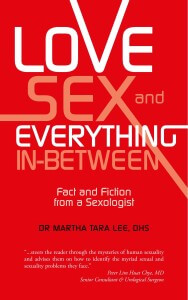
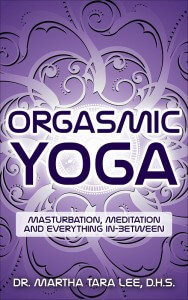
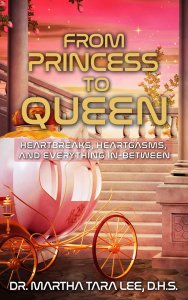
An accomplished author, Dr. Lee has published four books: Love, Sex and Everything In-Between (2013), Orgasmic Yoga: Masturbation, Meditation and Everything In-Between (2015), From Princess to Queen: Heartbreaks, Heartgasms and Everything In-Between (2017), and {Un}Inhihibited (2019). Her contributions have been recognized with numerous honors, including Her World’s Top 50 Inspiring Women under 40 (2010), CozyCot’s Top 100 Inspiring Women (2011), Global Woman of Influence (2024), the Most Supportive Relationship Coach (Singapore Business Awards, APAC Insider, 2025), and the Icon of Change International Award (2025).
You can read the testimonials she’s received over years here. For her full profile, click here. Email her here.